
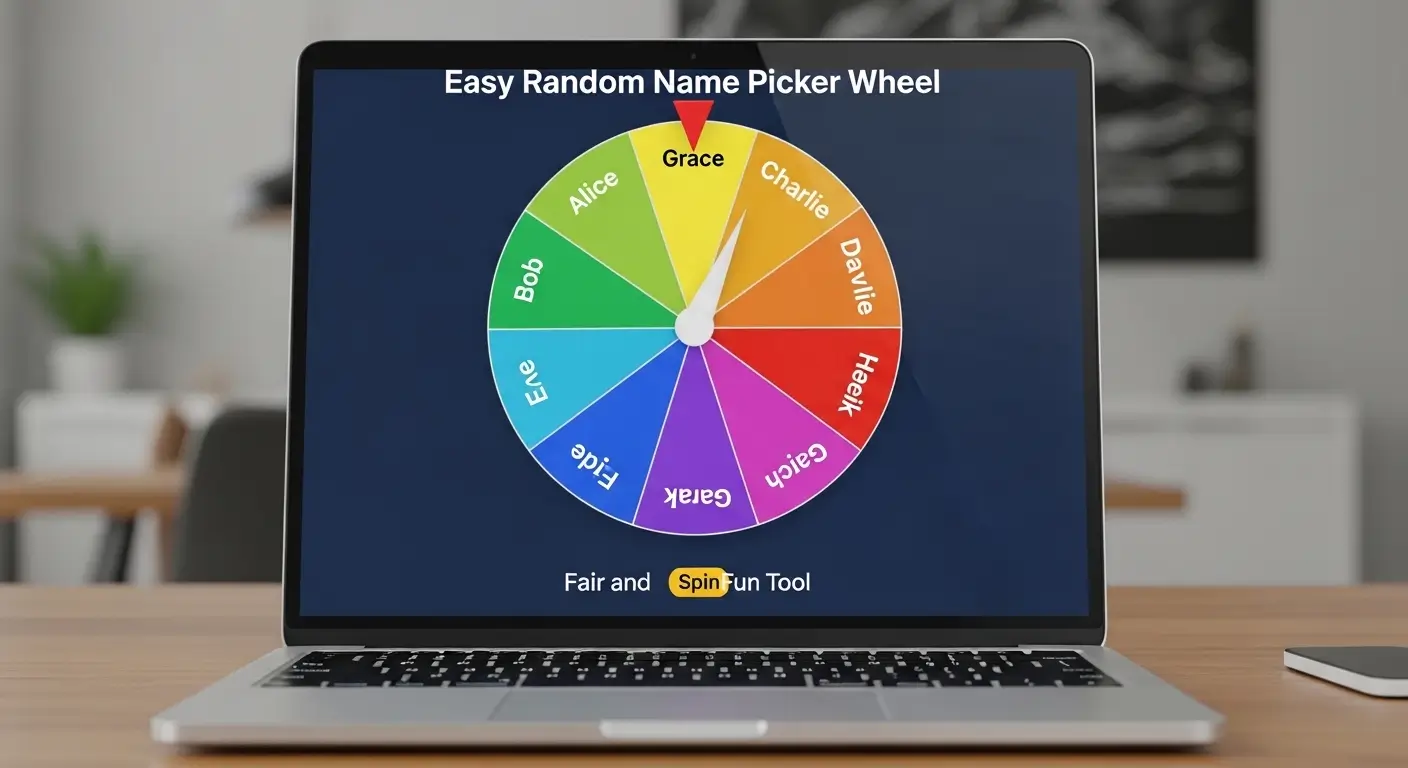
Easy Random Name Picker Wheel – Fair and Fun Tool
Choosing names, making decisions, or selecting winners can often feel unfair or time-consuming. That is where a simple online tool becomes helpful. This article explains how a modern selection tool works, why it is useful in daily life, and how anyone can use it for fair and fun decision-making in classrooms, businesses, and events.
What is Picker Wheel
A Picker Wheel is an online random selection tool designed to choose names, options, or items fairly. It works like a spinning wheel where each entry has an equal chance of being selected, making decisions faster and more transparent for everyone involved.
How it works in simple terms
A digital wheel is created with different spinner than entries added by the user. When the wheel spins, it randomly stops on one option. This process is completely automated, meaning no human bias affects the result, and every entry has an equal probability of being selected fairly.
Why do people use it daily?
People use this tool because it removes confusion during decision-making. Teachers use it in classrooms, businesses use it for selecting employees, and event organizers use it for giveaways. It makes selection faster and adds excitement to otherwise simple decision tasks.
Real-life example of use
Imagine a teacher wanting to pick a student to answer a question. Instead of choosing manually, the wheel is spun. The selected student is chosen randomly, ensuring fairness and avoiding any favoritism in the classroom environment.
Benefits of the Picker Wheel
Using a digital selection tool brings many advantages in everyday situations. It is not just about randomness, but also about saving time, ensuring fairness, and making decision-making more engaging for groups of people.
Fair decision-making for everyone
A major advantage is fairness. Since all entries have an equal chance, no one feels ignored or favored. This makes group activities more balanced and improves trust among participants in both educational and professional environments.
Saves time and effort
Instead of debating or manually selecting names, the wheel makes instant decisions. This reduces unnecessary discussions and helps groups move forward quickly. It is especially useful when many choices are involved.
Makes selection fun and engaging
The spinning animation adds excitement to decision-making. People enjoy watching the wheel spin and waiting for the result, which turns a simple selection process into an entertaining moment.
How to use Picker Wheel
Using this tool is very simple and does not require technical skills. Anyone can start using it in just a few steps, whether on a mobile device or computer.
Step-by-step usage guide
To use it effectively, follow these basic steps:
- Open the online tool
- Enter names or options
- Customize colors or settings if available
- Press the spin button
- Wait for the result
Each step is easy and designed by for quick use in real-time situations.
Adding custom options easily
Users can add names, numbers, or choices according to their needs. Whether it is student names, prize options, or tasks, everything can be customized in seconds without any difficulty.
Understanding result accuracy
The result is generated using a random algorithm. This ensures every spin is independent and fair. No previous result influences the next outcome, making the process reliable for repeated use.
Features of the Picker Wheel
Modern tools come with multiple features that improve user experience. These features make the selection process more flexible, visually appealing, and efficient for all types of users.
Custom colors and design options
Users can change colors, themes, and styles of the wheel. This helps make the interface more attractive and suitable for different occasions like classrooms or parties.
Sound and animation effects
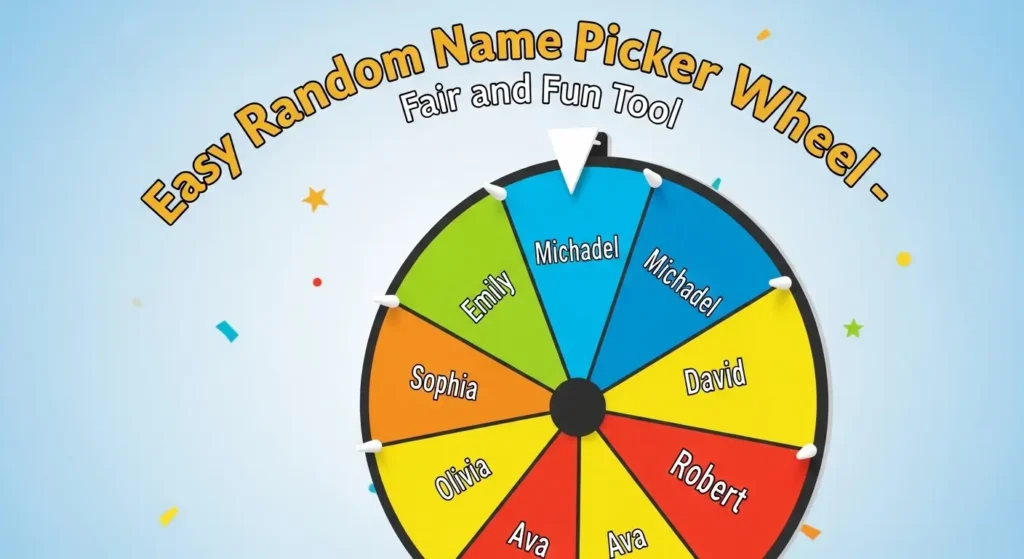
Many versions include sound effects and animations. These features increase excitement and make the spinning process more interactive, especially during live events or classroom activities.
Save and reuse lists.
Users can save their lists for future use. This is helpful for teachers or organizers who frequently use the same set of names or options.
Classroom use cases
Educational environments benefit greatly from random selection tools. Teachers can manage classroom participation more effectively while keeping students engaged and motivated.
Student participation made easy with Picker Whee.l
Teachers often struggle to choose students fairly. Usina g Picker Wheel in classrooms ensures every student has an equal chance to participate, making lessons more interactive and fair for all learners involved.
Reward and activity selection
Teachers can also use it for selecting reward winners, group leaders, or activity participants. This makes classroom management easier and reduces manual decision-making pressure.
Encouraging student engagement
When students know selection is random, they stay more attentive. This improves participation levels and encourages them to stay active during lessons.
Business use cases
In professional environments, random selection tools help reduce bias and improve workflow efficiency. They are widely used in HR processes, meetings, and team activities.
Fair employee selection
Managers can use the Picker Wheel to assign tasks or select employees for training programs. This ensures transparency and reduces workplace bias.
Meeting decision support
During meetings, when multiple ideas are suggested, the wheel can help select one option randomly. This avoids long debates and speeds up decision-making.
Task distribution fairness
Workload distribution becomes more balanced when tasks are assigned randomly. This prevents repeated selection of the same employees and improves team satisfaction.
Giveaway and event use
Online and offline events often require fair winner selection. A spinning wheel adds transparency and excitement to such events.
Giveaway winner selection with Picker Wheel
Organizers often rely on a Picker Wheel to select winners during giveaways. This ensures fairness and builds trust among participants because the result is visibly random and unbiased.
Event engagement tool
During events, organizers can use it to select participants for games or activities. This keeps the audience engaged and adds fun to the experience.
Online contest fairness
For online contests, random selection ensures that all participants have equal chances of winning, improving credibility and trust in the event.
Comparison of random selection methods
Different methods exist for selecting names or choices, but not all are equally efficient or fair. Below is a simple comparison table.
| Method | Speed | Fairness | Engagement |
|---|---|---|---|
| Manual selection | Slow | Low | Low |
| Drawing lots | Medium | Medium | Medium |
| Digital wheel tool | Fast | High | High |
This comparison shows why modern digital tools are preferred for fairness and speed in decision-making processes.
Advantages in daily life
Beyond classrooms and business use, this tool is also helpful in everyday personal decisions. It can make routine choices easier and more enjoyable.
Simple decision-making at home
Families can use it to decide daily tasks like chores, movie selection, or game choices. This removes arguments and makes decisions fun.
Group activity management
Friends can use it during outings or events to decide who goes first or which activity to choose, ensuring fairness in group settings.
Reducing decision stress
Sometimes making small decisions can feel stressful. A random selection tool helps reduce this stress by making quick and neutral choices.
Limitations to consider
While the tool is very useful, it is important to understand its limitations as well. It should be used in appropriate situations where random selection is suitable.
Not for critical decisions
It is not recommended for important life decisions, such as financial or legal matters. It is best used for casual or group-based selections.
Requires internet access
Since it is usually online, users need an internet connection to access and use the tool effectively.
Dependent on user input
The accuracy of the results depends on the list provided. If incorrect or incomplete entries are added, the outcome may not be useful.
Best practices for better use
To get the most benefit, users should follow some simple practices while using the tool for any type of selection.
Keep lists organized
Always double-check entries before spinning. Clean and accurate lists ensure better results and avoid confusion during selection.
Use in fair environments.
Make sure all participants understand how the tool works. This builds trust and avoids misunderstandings during the selection process.
Combine with planning
Use the tool as part of a structured plan rather than relying on it completely for important tasks. This ensures balanced decision-making.
Frequently Asked Questions
What is a Picker Wheel used for?
A Picker Wheel is used for random selection of names, options, or choices.
Is the Picker Wheel really fair?
Yes, Picker Wheel is designed to be fair because it uses random algorithms.
Can the Picker Wheel be used for classrooms?
Yes, it is widely used in classrooms. Teachers use the Picker Wheel to select students and assign tasks
Is Picker Wheel free to use?
Most online versions of Picker Wheel are free to use. Users can access basic features without payment.
Can Picker Wheel improve decision-making?
Yes, Picker Wheel helps improve decision-making by removing bias and speeding up the process.
Conclusion
In conclusion, Picker Wheel is a simple, fair, and engaging tool that helps users make quick,k random decisions in daily life, classrooms, and events. It saves time, removes bias, and ensures equal chances for everyone, making decision-making more transparent, enjoyable, and stress-free in every situation where choice is needed.


